Back to Blog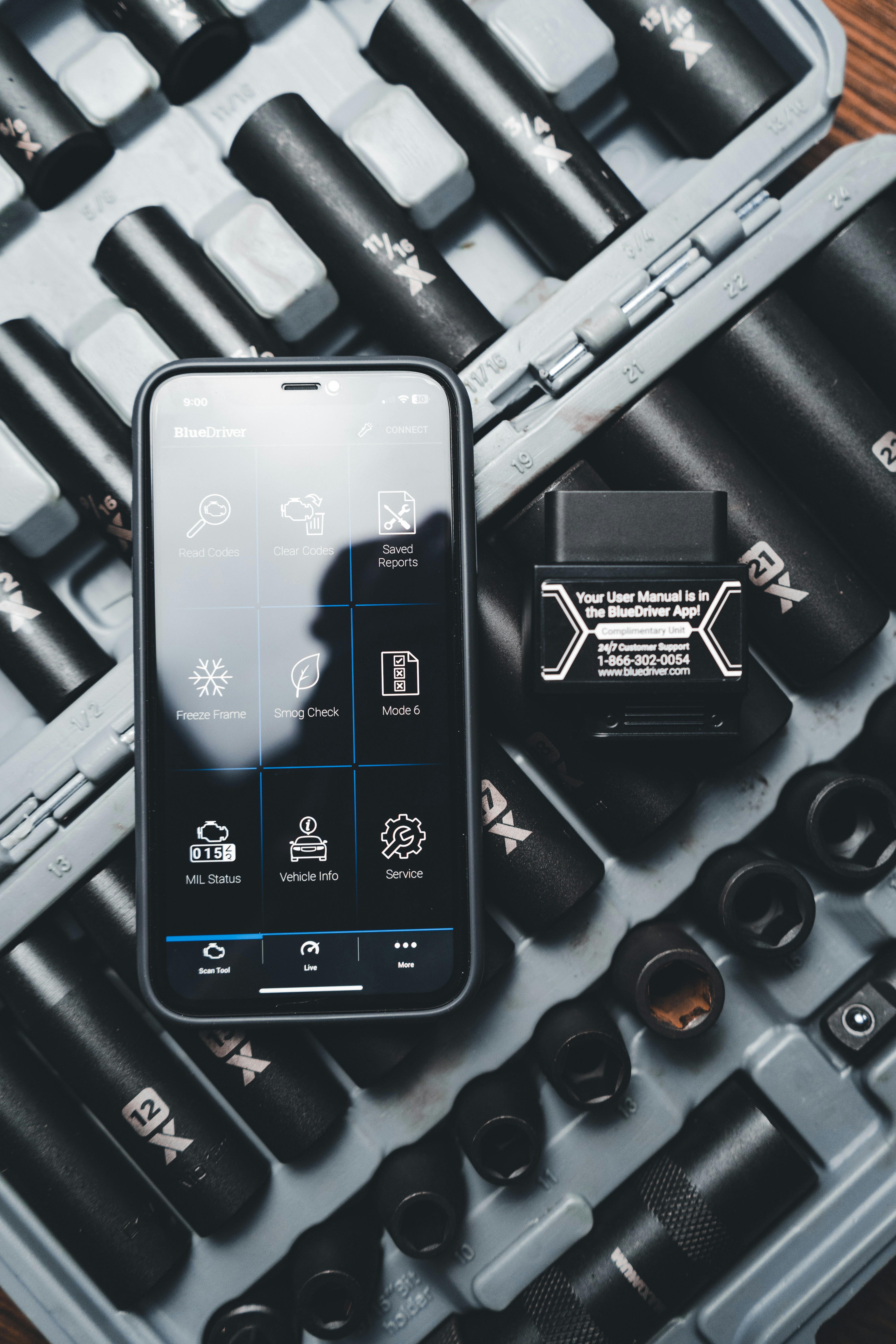
July 14, 2026Technical Team
OBD vs OEM Diagnostic Tools: What's the Difference?
DiagnosticsOBDOEMComparison
When it comes to vehicle diagnostics, understanding the difference between OBD and OEM tools is crucial for making the right investment for your workshop.
OBD (On-Board Diagnostics) Tools:
OBD tools connect via the standard OBD-II port found on most vehicles. They provide access to generic powertrain data and can read standard fault codes. However, OBD tools have limitations when it comes to manufacturer-specific systems.
OEM (Original Equipment Manufacturer) Tools:
OEM tools are designed to work with specific vehicle brands and provide deep access to all control modules. They support advanced functions like programming, coding, and special service procedures.
Key Differences:
1. Coverage - OEM tools provide comprehensive access to all systems
2. Functions - OEM tools support brand-specific special functions
3. Updates - OEM tools receive regular updates with new model support
4. Price - OEM tools are more expensive but offer better value for specialists
Making the Right Choice:
For general repair shops, a good multi-brand diagnostic tool provides the best balance. For specialist workshops focusing on specific brands, OEM-level tools are essential.
M2 AutoTech offers both OBD and OEM-level diagnostic solutions to suit every workshop's needs.